🇯🇵 Tokyo, Japan
Hamacho Hotel Tokyo
📍 Tokyo
Photo: official website
Your stay — Hamacho Hotel Tokyo
Live forecast for your dates · what's on · air quality & pollen📅 Pick your check-in & check-out above to unlock your day-by-day forecast, what's on during your stay, and live air quality & pollen for Tokyo.
The Property — Hamacho Hotel Tokyo
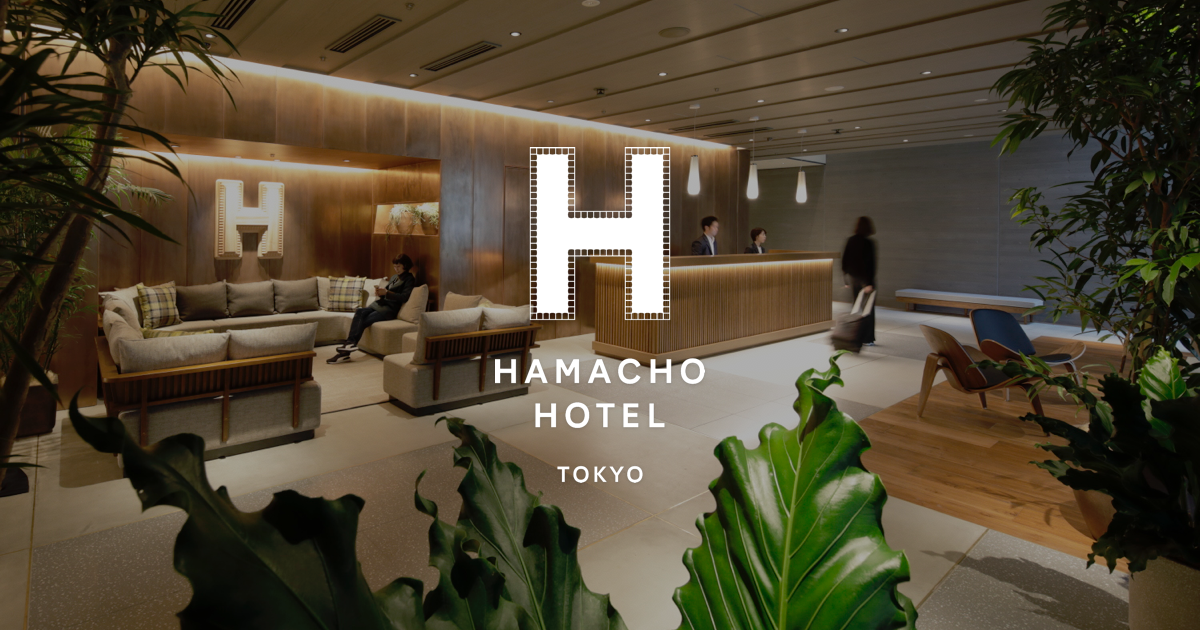
Hamacho Hotel Tokyo is a solid three-star business hotel in the quiet, low-rise Nihonbashi-Hamacho district, north of central Tokyo. The lobby is compact and immaculate, with polished floors, a small seating area, and a front desk that efficiently processes check-in in Japanese and English. It suits solo travellers or couples on a budget who want a reliable, clean base a 10-minute walk from the nearest metro and within easy reach of Tokyo Station.
Chronicles of Tokyo
Tokyo began as the fishing village of Edo, rising to become the shogun's capital in 1603. After the Meiji Restoration of 1868, it was renamed Tokyo ('Eastern Capital') and rapidly Westernised, rebuilding after the 1923 Great Kanto Earthquake and WWII firebombing with a grid of concrete and steel. Today it is a hypermodern megalopolis of 14 million, where centuries-old temples sit beside neon-lit skyscrapers, and the city's identity remains tied to precision, innovation, and a quiet daily rhythm that survives the crowds.
Best Time to Visit
Full Tokyo guide →Best months
October and November: mild, low humidity, clear skies, and fewer tourists than spring. Also March for cherry blossom season, though more crowded.
Peak / festival surge
Late March to early April for cherry blossom season (sakura), plus Golden Week at end of April/start of May. Hotel prices can double; booking six months ahead is sensible.
Budget shoulder season
Late May and early June (before the rainy season) or late September (after summer heat breaks) offer moderate prices and manageable crowds.
Weather & packing
Tokyo in July is hot and humid with frequent rain; temperatures hit 30°C (86°F) and humidity often exceeds 70%. Pack a lightweight, breathable umbrella and clothes that dry quickly — cotton is your friend; leave wool at home.
Live City Briefing — Tokyo
- Tokyo Metro is gradually introducing contactless tap payment across all lines by mid-2026; check your local card compatibility before travel.
- The new Toranomon Hills skyscraper complex opened in late 2025, adding a high-end shopping and dining hub near Kasumigaseki station.
- Sumida River fireworks (late July) draw huge crowds to Asakusa, about 2 km from the hotel — book early for Kaiseki dinners on the water.
Your Perfect Room
✨ AI-generated · Jul 2026Before you check in to Hamacho Hotel Tokyo, here's what to know about choosing the right room.
Best rooms to request
Request a room on floors 5 to 7, facing away from the main street (usually the side or rear of the building). These middling floors avoid potential street noise from lower levels and are high enough to reduce foot traffic disturbance, while still offering easy access via the single lift.
Rooms to avoid
Avoid rooms on the 1st floor (street level noise and passersby) and the top floor (8th) near the lift—it's the only lift, so you'll hear mechanical sounds and foot traffic. Also skip rooms directly above the small lobby or entrance, as they catch check-in chatter and early departures.
Best views
Side or rear rooms on floors 6-8 might offer glimpses of the Nihonbashi River if facing north-east, or city rooftops with a sense of Tokyo's dense skyline. Street-facing views are just more traffic and concrete—nothing special.
Quietest floors
Floors 4 to 7 tend to be quieter, as they're above the street hum but below the roof/corridor noise from the top floor. The rear-facing rooms here are the best bet for a peaceful stay.
🔊 Noise notes
The hotel sits on a main road in Nihonbashi, so traffic noise is noticeable on lower floors, especially in street-facing rooms. The single lift generates sound in adjacent rooms, and there's occasional siren noise from the nearby fire station on Nihonbashi-dori.
Insider tips
1. Use the hotel's coin laundry on the 2nd floor—it's efficient for a city trip. 2. Check in after 3pm to avoid housekeeping noise in the corridors, and ask for a room on a higher floor away from the lift when booking.
- Call the hotel directly 24–48 hours before arrival and ask for a specific room type
- Add a note in your booking comments field
- Ask at check-in — front desk staff can often accommodate if a room is available
Hotel Facilities — Hamacho Hotel Tokyo
Free standard-speed Wi-Fi throughout (approx 20 Mbps); one device per room; no login needed, just accept terms page
One passenger lift serves all 8 guest floors; no stairs-only sections
Digital newsstand via PressReader in lobby tablets; no physical newspapers offered
Standard check-in 15:00, check-out 11:00; early bag drop from 12:00 free; late check-out until 14:00 costs 1,500 yen, after 14:00 charged one full night
Free for same-day storage before check-in and after check-out; multi-day storage not available
Step-free entry at main door on level ground; lobby, restaurant, and lifts wheelchair-accessible; guestrooms have no adapted bathrooms or grab rails
No on-site parking; nearest public car park is Times Parking Nihonbashi Kakigaracho (3-min walk) 1,200 yen per night (18:00–08:00); no EV charging
Fees, Taxes & Deposits
City / tourist tax: None (Tokyo accommodation tax applies to stays of 10,000 yen or more per night; for a 3-star hotel under that threshold, typically free)
Deposit & card hold: No advance deposit required for standard bookings; a 5,000 yen cash or card hold for incidentals taken at check-in
Faith & Dietary Nearby
- Place of worship: 大廣神社 (149 m · ~2 min walk)
- Church: 日本橋教会 (310 m · ~4 min walk)
- Place of worship: 松島神社 (472 m · ~6 min walk)
- Place of worship: 正木稲荷神社 (547 m · ~7 min walk)
Local Lifestyle & Recreation
TEKKO avenue — 2.3 km · ~29 min walk
常盤二丁目児童遊園 — 918 m · ~11 min walk
江東区芭蕉記念館 — 583 m · ~7 min walk
明治座 — 542 m · ~7 min walk
深川一丁目児童公園 — 1.5 km · ~19 min walk
5-Minute Radius Essentials
Nearest — 1.1 km · ~14 min walk
トモズ — 175 m · ~2 min walk
ファミリーマート — 165 m · ~2 min walk
水天宮前 — 545 m · ~7 min walk
Money & Currency
Get a travel card →Japanese Yen, JPY
Use ATMs at 7-Eleven or Japan Post for the best rates; avoid airport and hotel counters which mark up significantly.
Visa/Mastercard widely accepted in chain stores and restaurants; many smaller eateries and bars are cash-only. Contactless (Suica/Pasmo) works on transit and in most shops.
No tipping. Leave your change on the table; it'll be returned. Occasionally hotels add a service charge.
Eat, Shop & Travel on a Budget
Cheap car hire →Vending machine coffee or convenience-store drip coffee: around ¥110–150.
Ramen, gyudon (beef bowl), or curry rice from a fast-food chain: around ¥600–800.
A main course at a decent izakaya or sit-down chain is around ¥800–1,200.
Look around Ameya-Yokochō in Ueno or the stalls near Senso-ji in Asakusa for takoyaki, yakitori, and mitarashi dango starting at ¥300–500.
Seiyu, Life, and Maruetsu are common budget supermarkets; 7-Eleven and FamilyMart for quick basics.
Uniqlo, GU, and second-hand shops like Hard Off or Mode Off for basics; Shibuya 109 and Takeshita Street for trendy fast fashion.
To/from Narita: Keisei Skyliner (¥2,570) or Airport Bus (¥1,300 to Tokyo Station); within city: Suica/Pasmo card (pay-as-you-go) or Tokyo Metro 24-hour pass (¥600).
Eat at chain cafes like Doutor or Komeda instead of tourist spots; use prepaid Suica for both transit and small purchases to avoid carrying cash; stay in budget hostels or capsules in less central areas like Ueno or Asakusa.
Good to know — Tokyo
Type A/B · 100V
safe
$1 ≈ ¥163.01 · JPY
Emergency Contacts
TokyoIn Japan, dial 110 for police and 119 for ambulance/fire services. English-speaking operators may be available. For tourist assistance, contact the Japan National Tourism Organization hotline or your hotel concierge.
💡 Save these numbers in your phone. In life-threatening emergencies, call immediately.
Where to Eat
💡 Booking tip: For popular restaurants in Tokyo, book at least a week ahead — especially for weekend evenings and during festival season.
Your arrival at Hamacho Hotel Tokyo
🕒 Check-in is from . Arriving earlier? Most hotels store luggage free — just ask at reception.
🧭 First things nearby: cash · Nearest — 1.1 km · ~14 min walk — pharmacy · トモズ — 175 m · ~2 min walk
🚐 Pre-book an airport transfer →Getting Around
Narita International Airport → Palace Hotel Tokyo
💡 Most expensive but fastest during off-peak. Use Nihongo taxi counters or pre-book via hotel for best rates.
Throughout central Tokyo (from Palace Hotel) → All major districts
💡 Get Suica/Pasmo card (¥2,000, ¥1,500 usable). Marunouchi Line platform is directly below hotel. Fastest local transit.
Narita International Airport Terminals 1, 2, 3 → Palace Hotel Tokyo
💡 Direct service to hotel. No transfers needed. Book online for ¥2,600. Luggage handling included.
Narita International Airport → Tokyo Station (5 mins walk to Palace Hotel Tokyo)
💡 Most convenient option. Buy a round-trip ticket for ¥5,070. Hotel concierge can arrange return booking.
About Tokyo
Wikipedia ↗
Tokyo, officially the Tokyo Metropolis, is the capital and most populous city of Japan. The population of the city proper was over 14 million as of 2023. The Greater Tokyo Area, which includes Tokyo and parts of six neighboring prefectures, is the third-most populous metropolitan area in the world, ...
Frequently Asked Questions
What are the best rooms at Hamacho Hotel Tokyo?
Request a room on floors 5 to 7, facing away from the main street (usually the side or rear of the building). These middling floors avoid potential street noise from lower levels and are high enough to reduce foot traffic disturbance, while still offering easy access via the single lift.
Which rooms should I avoid at Hamacho Hotel Tokyo?
Avoid rooms on the 1st floor (street level noise and passersby) and the top floor (8th) near the lift—it's the only lift, so you'll hear mechanical sounds and foot traffic. Also skip rooms directly above the small lobby or entrance, as they catch check-in chatter and early departures.
Is Hamacho Hotel Tokyo noisy?
The hotel sits on a main road in Nihonbashi, so traffic noise is noticeable on lower floors, especially in street-facing rooms. The single lift generates sound in adjacent rooms, and there's occasional siren noise from the nearby fire station on Nihonbashi-dori.
Which rooms have the best views at Hamacho Hotel Tokyo?
Side or rear rooms on floors 6-8 might offer glimpses of the Nihonbashi River if facing north-east, or city rooftops with a sense of Tokyo's dense skyline. Street-facing views are just more traffic and concrete—nothing special.
What are insider tips for staying at Hamacho Hotel Tokyo?
1. Use the hotel's coin laundry on the 2nd floor—it's efficient for a city trip. 2. Check in after 3pm to avoid housekeeping noise in the corridors, and ask for a room on a higher floor away from the lift when booking.
What time is check-in at Hamacho Hotel Tokyo?
Check-in at Hamacho Hotel Tokyo is from null. Check-out is by null.
Does Hamacho Hotel Tokyo have Wi-Fi?
Free standard-speed Wi-Fi throughout (approx 20 Mbps); one device per room; no login needed, just accept terms page
Is there a city or tourist tax at Hamacho Hotel Tokyo?
None (Tokyo accommodation tax applies to stays of 10,000 yen or more per night; for a 3-star hotel under that threshold, typically free)
Where can I eat cheaply near Hamacho Hotel Tokyo?
Ramen, gyudon (beef bowl), or curry rice from a fast-food chain: around ¥600–800.
What is the cheapest way to get around from Hamacho Hotel Tokyo?
To/from Narita: Keisei Skyliner (¥2,570) or Airport Bus (¥1,300 to Tokyo Station); within city: Suica/Pasmo card (pay-as-you-go) or Tokyo Metro 24-hour pass (¥600).
When is the best time to visit Tokyo?
October and November: mild, low humidity, clear skies, and fewer tourists than spring. Also March for cherry blossom season, though more crowded.
Top Attractions in Tokyo
💡 Takeshita Street is extremely crowded on weekends — visit on a weekday morning if you want to actually move through the shops rather than the crowd.
💡 Go on a Sunday when the palace grounds are open for a guided tour (free, first come first served, starts 10:00 and 13:30). Otherwise the gardens are quiet on weekday mornings.
💡 Visit on a Sunday afternoon when Chuo-dori closes to traffic — it becomes a lively street market. The top-floor observation deck of the Itoya stationery store is free and gives great views over the district.
💡 Bring a picnic and sit by Shinobazu Pond. The lotus flowers in July-August are stunning. Free entry to the Tokyo Metropolitan Art Museum on the first Monday of the month.
💡 Skip the main gate queues. Enter through the side streets off Nakamise-dori for a more local feel. The temple is at its calmest just after sunrise.
💡 Go just before sunset on a weekday. Fewer crowds and the torii gates look fantastic as the light fades. Watch for wedding processions on weekend mornings.
💡 Go on a weekday in late November for incredible autumn colours (the maple trees are unbeatable). The greenhouse is free and often overlooked.