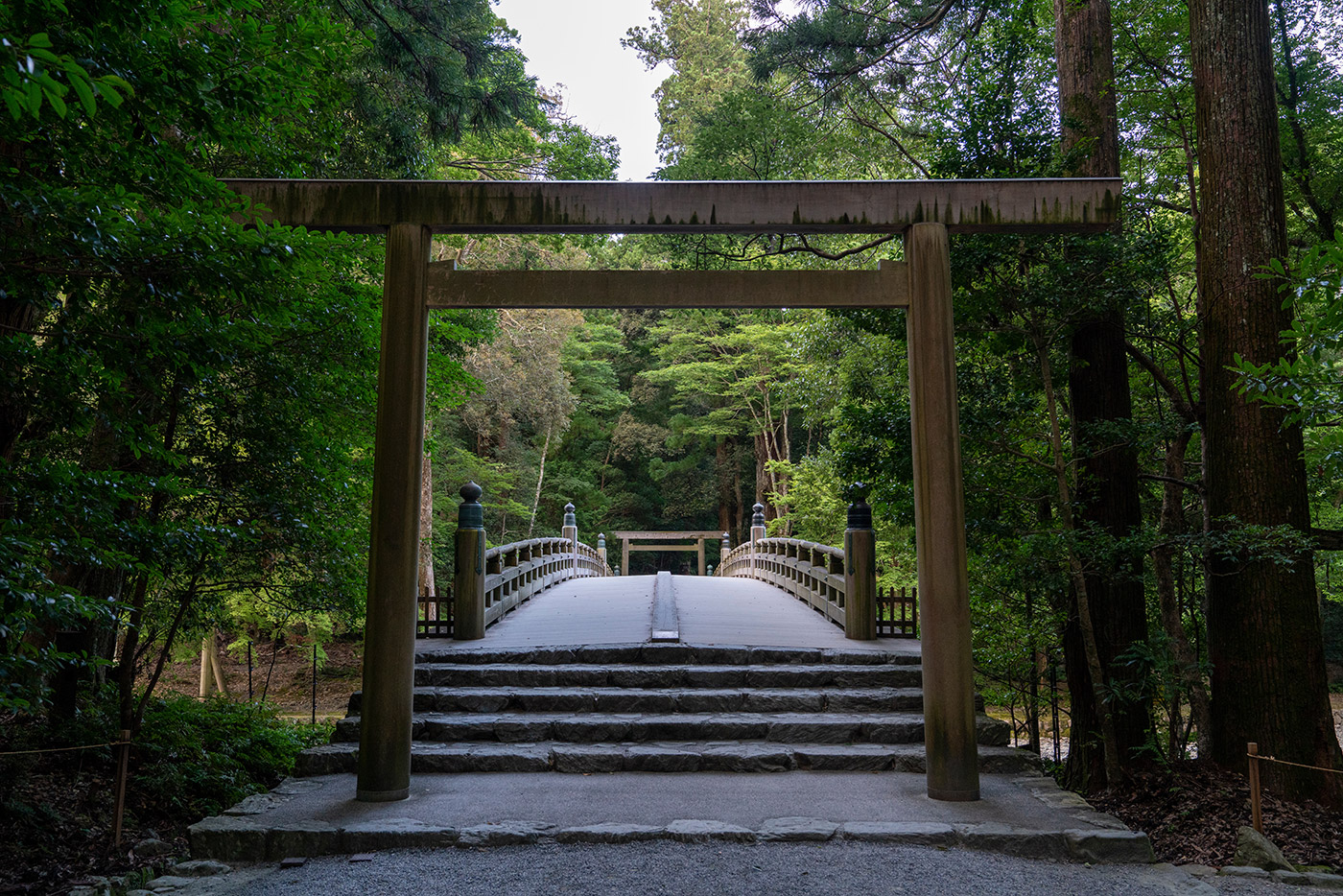
Photo: official website
Your stay — EN HOTEL Ise
Live forecast for your dates · what's on · air quality & pollen📅 Pick your check-in & check-out above to unlock your day-by-day forecast, what's on during your stay, and live air quality & pollen for Ise.
The Property — EN HOTEL Ise
EN HOTEL Ise is a clean, efficient 3-star just outside the main shrine precincts, aimed squarely at budget-conscious pilgrims and day-trippers who want a quiet base. The lobby feels like a tidy, modern business hotel — functional counters, tiled floors, a shelf with local tourism pamphlets — not a place to linger, but you’re here for the shrines, not the furniture. Its USP is pure location: a short walk to the Naiku (Inner Shrine) entrance, with a FamilyMart next door for onigiri before dawn visits. It suits solo travellers or couples on a tight schedule who prioritise proximity over frills.
Chronicles of Ise
Ise has been Japan’s most sacred Shinto site since the 4th century BC, when Emperor Suinin ordered the enshrinement of Amaterasu-ōmikami, the sun goddess. The twin Grand Shrines (Naiku and Geku) are rebuilt entirely every 20 years in a 1,300-year-old ritual called Shikinen Sengū, using ancient carpentry without nails. Ise itself grew as a pilgrimage town from the Edo period, when commoners flocked here on okage-mairi mass pilgrimages, leaving inns and teahouses along the approach roads. Today, the city balances modern tourism with deep ritual tradition — its identity is still shaped by the shrines, the nearby pearl-farming history at Mikimoto, and the quiet, orderly streets lined with small shops selling akafuku mochi and Ise-katagami paper stencils. Contemporary Ise feels serene and purposeful, a place where centuries-old ceremony meets everyday life.
Best Time to Visit
Full Ise guide →Best months
April and October: mild temperatures (14-20°C), cherry blossoms or autumn leaves, and lower shrine crowds than peak summer. May is also good for dry, warm weather before the rainy season.
Peak / festival surge
July is peak: the rainy season ends mid-month, then summer holidays and Obon (mid-August) push shrine visitors heavily. Hotel prices at EN HOTEL Ise can double, and the heat (30°C+ with high humidity) makes walking the shrine loops draining. The Ise Grand Shrine’s major festivals (such as Tsukinami-sai in July) draw extras, but it’s the combination of school holidays and pilgrims that drives demand.
Budget shoulder season
June and September offer the best budget deals: rooms are 30-40% cheaper than July. June is rainy (bring a waterproof), but early June has fewer tourists; September is typhoon season but often has sunny breaks and emptier shrines. Late October into November is also affordable and pleasant.
Weather & packing
Ise in July is stiflingly humid, with temperatures often hitting 32°C and legendary mosquitoes around the shrine forests. Pack quick-dry, light-weight clothing, a sweat-proof hat, and high-factor mosquito repellent — you’ll need it before dawn at the Naiku path.
Live City Briefing — Ise
- The Ise Grand Shrine’s next Shikinen Sengū rebuilding cycle is set for 2033, but in 2026 no major shrine closures are scheduled — all main halls are open to visitors from dawn to dusk.
- The Kintetsu Ise Line station at Ujiyamada recently completed platform renovations for wheelchair access, easing mobility for visitors with luggage or limited mobility to reach the hotel’s area.
- From July 2026, the local bus route 'Can Bus' (loop service to Naiku, Geku and Okage Yokocho) adds a Saturday-only express leg, reducing travel time from the hotel area to Geku by about 15 minutes.
Your Perfect Room
✨ AI-generated · Jul 2026Before you check in to EN HOTEL Ise, here's what to know about choosing the right room.
Best rooms to request
Request a room on the upper floors (4th or 5th) facing away from the main road. These are quieter and have better sightlines over the city rooftops.
Rooms to avoid
Avoid rooms on the first floor or near the lift lobby—these pick up foot traffic and any street-level noise from the entrance or service area. Also skip rooms directly above the front desk or common areas if possible.
Best views
South-facing upper-floor rooms give a clear view over Ise’s low-rise cityscape. If you're lucky, you might catch the roof of the Naikū shrine complex in the distance. East-facing rooms get morning light over the rooftops.
Quietest floors
Floors 4 and 5 are the quietest, furthest from the street and ground-level commotion.
🔊 Noise notes
The hotel is on a main road near Ise station, so street traffic is audible on lower floors. There's also occasional train rumble from the nearby Kintetsu and JR lines, but it's muffled on higher floors. No nightclub or bar noise—this is a quiet city.
Insider tips
1. Check in early (around 3pm) to request a higher floor—there's no priority system listed, so polite asking works. 2. If driving, confirm parking with the front desk at booking—street parking is limited and the hotel's own lot fills fast on weekends.
- Call the hotel directly 24–48 hours before arrival and ask for a specific room type
- Add a note in your booking comments field
- Ask at check-in — front desk staff can often accommodate if a room is available
Hotel Facilities — EN HOTEL Ise
Free for all guests. Speed adequate for basic browsing (approx 10–20 Mbps). No login or time limit; password provided at check-in.
One passenger lift serves all 8 floors. No stairs-only sections.
No complimentary newspapers or digital newsstand. Lobby has a rack of local leaflets and tourist maps.
Check-in 15:00–23:00. Late check-in (after 23:00) must be arranged in advance. Early check-in from 12:00 for ¥1,500 (subject to availability). Late check-out until 12:00 for ¥1,500 per room. Baggage drop from 10:00 on arrival day.
Complimentary before check-in and after check-out at front desk. Coin lockers in lobby for small items (¥200–¥400 per use).
Step-free level entrance from street. Lift wide enough for wheelchair. One accessible room available (no bathtub, roll-in shower, grab bars). Request at booking. Restaurant and public bath have a small step (approx 10 cm) at entrance.
On-site parking: 20 spaces, first-come first-served, ¥500 per night. Nearest public car park (Parking Ise) is 400 m west, ¥800 per night. No EV charging.
Fees, Taxes & Deposits
City / tourist tax: ¥400 per person per night (applied to stays over ¥20,000/room/night; waived under that)
Deposit & card hold: Full prepayment due at time of booking for non-refundable rates; refundable rates require credit card guarantee only. Incidental hold of ¥5,000 at check-in.
Faith & Dietary Nearby
- Buddhist temple: 不動院 (116 m · ~1 min walk)
- Buddhist temple: 庚申廟 (232 m · ~3 min walk)
- Buddhist temple: 善光寺 (259 m · ~3 min walk)
- Buddhist temple: 光明寺 (659 m · ~8 min walk)
Local Lifestyle & Recreation
伊勢駅前商店街 — 523 m · ~7 min walk
中寺前公園 — 214 m · ~3 min walk
伊勢河崎商人館 — 881 m · ~11 min walk
伊勢市観光文化会館 — 533 m · ~7 min walk
5-Minute Radius Essentials
百五銀行伊勢支店伊勢市駅前出張所 — 599 m · ~7 min walk
ウエルシア — 163 m · ~2 min walk
FamilyMart — 368 m · ~5 min walk
伊勢市 — 329 m · ~4 min walk
Money & Currency
Get a travel card →Japanese Yen, JPY
ATMs at 7-Eleven and Japan Post Bank offer the best rates; airport exchange counters give poor rates and high fees.
Major credit cards accepted in larger hotels, department stores, and taxis; many smaller shops and restaurants are cash-only.
No tipping — it's not expected in restaurants, taxis, or hotels; good service is standard.
Eat, Shop & Travel on a Budget
Cheap car hire →A hot canned coffee from a convenience store vending machine costs about 120 yen.
A bowl of kake soba or udon at a standing noodle bar or food court is around 500 yen.
A set meal (teishoku) at a casual izakaya or diner runs roughly 800–1,200 yen.
The Okage Yokocho market street near the Inner Shrine has grilled seafood skewers, akafuku mochi, and other local snacks for 200–500 yen each.
Trial and My Basket are the main budget supermarkets; also look for small local grocers near the station.
Uniqlo in Ise City and the nearby outlet mall at Mitsui Outlet Park Shima offer affordable basics.
A one-day bus pass covering the main tourist loop (Kanko Bus) costs 1,000 yen; from Nagoya, the Kintetsu railway normal express (about 1,800 yen one way) beats the more expensive limited express.
Eat at department-store basement food halls for cheap bento boxes after 5pm. Buy a Kintetsu Rail Pass for 2–3 days if you're doing multiple trips in the region. Stay in a guesthouse (minshuku) with breakfast included to save on morning meals.
Good to know — Ise
Type A/B · 100V
safe
$1 ≈ ¥162.47 · JPY
Emergency Contacts
IseDial 110 for police, 119 for ambulance or fire. For non-emergency tourist help, call the Japan Helpline at 0570-000-911 or the Ise City Tourism Association at 0596-24-1119. English support may be limited.
💡 Save these numbers in your phone. In life-threatening emergencies, call immediately.
Where to Eat
💡 Booking tip: For popular restaurants in Ise, book at least a week ahead — especially for weekend evenings and during festival season.
Your arrival at EN HOTEL Ise
🕒 Check-in is from . Arriving earlier? Most hotels store luggage free — just ask at reception.
🧭 First things nearby: cash · 百五銀行伊勢支店伊勢市駅前出張所 — 599 m · ~7 min walk — pharmacy · ウエルシア — 163 m · ~2 min walk
🚐 Pre-book an airport transfer →Getting Around
Chubu Centrair Airport (NGO) → Kintetsu Ise-Shi Station / Ise City
💡 Buy a round-trip ticket at the airport bus counter for a small discount. The bus drops you at the station, then it's a 15-min walk or short taxi to EN Hotel Ise.
Nagoya Station (Kintetsu side) → Kintetsu Ise-Shi Station
💡 Get a reserved seat on the Urban Liner or Shimakaze for a smoother ride. The non-reserved cars can get packed during cherry blossom season.
Ise City (Kintetsu Ise-Shi bus stop #1) → Geku (Outer Shrine) / Naiku (Inner Shrine)
💡 Buy a 1-day bus pass (¥800) from the tourist info centre in the station — covers both shrines and the Nagura area. Buses can be crowded on the 5th and 15th of the month (local festival days).
Kintetsu Ise-Shi Station → EN Hotel Ise
💡 If the queue is long, walk 200m east to the taxi stand near the post office — drivers often wait there. No need to tip.
About Ise
Wikipedia ↗
The Ise Shrine (Japanese: 伊勢神宮, Hepburn: Ise Jingū), located in Ise, Mie Prefecture of Japan, is a Shinto shrine dedicated to the solar goddess Amaterasu Ōmikami and the grain goddess Toyouke-hime. Also known simply as Jingū (神宮), Ise Shrine is a shrine complex composed of many Shinto shrines center...
Frequently Asked Questions
What are the best rooms at EN HOTEL Ise?
Request a room on the upper floors (4th or 5th) facing away from the main road. These are quieter and have better sightlines over the city rooftops.
Which rooms should I avoid at EN HOTEL Ise?
Avoid rooms on the first floor or near the lift lobby—these pick up foot traffic and any street-level noise from the entrance or service area. Also skip rooms directly above the front desk or common areas if possible.
Is EN HOTEL Ise noisy?
The hotel is on a main road near Ise station, so street traffic is audible on lower floors. There's also occasional train rumble from the nearby Kintetsu and JR lines, but it's muffled on higher floors. No nightclub or bar noise—this is a quiet city.
Which rooms have the best views at EN HOTEL Ise?
South-facing upper-floor rooms give a clear view over Ise’s low-rise cityscape. If you're lucky, you might catch the roof of the Naikū shrine complex in the distance. East-facing rooms get morning light over the rooftops.
What are insider tips for staying at EN HOTEL Ise?
1. Check in early (around 3pm) to request a higher floor—there's no priority system listed, so polite asking works. 2. If driving, confirm parking with the front desk at booking—street parking is limited and the hotel's own lot fills fast on weekends.
What time is check-in at EN HOTEL Ise?
Check-in at EN HOTEL Ise is from null. Check-out is by null.
Does EN HOTEL Ise have Wi-Fi?
Free for all guests. Speed adequate for basic browsing (approx 10–20 Mbps). No login or time limit; password provided at check-in.
Is there a city or tourist tax at EN HOTEL Ise?
¥400 per person per night (applied to stays over ¥20,000/room/night; waived under that)
Where can I eat cheaply near EN HOTEL Ise?
A bowl of kake soba or udon at a standing noodle bar or food court is around 500 yen.
What is the cheapest way to get around from EN HOTEL Ise?
A one-day bus pass covering the main tourist loop (Kanko Bus) costs 1,000 yen; from Nagoya, the Kintetsu railway normal express (about 1,800 yen one way) beats the more expensive limited express.
When is the best time to visit Ise?
April and October: mild temperatures (14-20°C), cherry blossoms or autumn leaves, and lower shrine crowds than peak summer. May is also good for dry, warm weather before the rainy season.
Top Attractions in Ise
💡 Visit the adjacent Sengukan Museum (¥300) for a 360-degree video of the rebuilding ceremony — it makes sense of the rustic architecture.
💡 Start at the red bridge near Naikū's entrance, walk upstream to the tiny Shiō-jinja shrine—no one else will be there. Wear sandals you can slip off easily.
💡 Skip the robot-kebab joints at the entrance; buy a bottle of local Ise-cha green tea and a muscat-soda mochi from the small bakery halfway down.
💡 Go at dawn to avoid crowds; the inner precinct is closed to photography but the outer gardens are worth a slow stroll.
💡 Don't pay for the expensive samurai photo; the free castle rooftop gives you the same panoramic shot over Ise Bay. Best visited on weekdays when school groups are thin.